
Skip to content
Evolumes

Evolution lines

Evolution here strengthens the core idea of a species. The environment decides the direction: temperature, minerals, altitude, symbionts or artificial light.

Rules of evolution

  • The next form amplifies the species' central idea.
  • Environment matters and may split a line into branches.
  • Not every species evolves: a stable form is a complete design.
  • At least one strong motif survives every transition.
  1. E-01

    Amphibian Adaptation

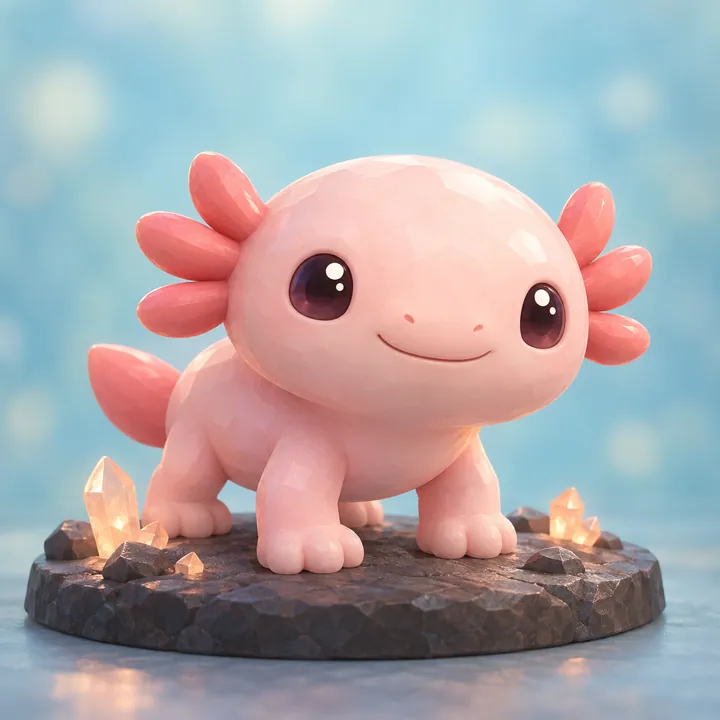
    Axolume is the base form.

    • Axolume → Magmander — the geothermal branch. A long life near hot springs and mineral-rich water turns the glowing gills into heat-exchange organs; the skin darkens and becomes heat-resistant.
    • Axolume → Olmurk — the cave branch. In cold, total darkness the body lengthens, eyesight fades, and chemical sensing and energy saving matter more than bright bioluminescence.

    Axolume is one of the key showcases of the Evolumes idea: a single starting biology can yield opposite forms under the pressure of its environment.


  2. E-02

    Sky Ray

    Mantarin → Skymanta

    Condition: a long life in high mountain lakes and constant use of powerful updrafts.

    Mantarin’s broad fins grow lighter and larger, and its sensitivity to electric fields is gradually joined by a sense of air pressure. Skymanta becomes almost independent of water, turning the original manta silhouette into a true airborne glider.

  3. E-03

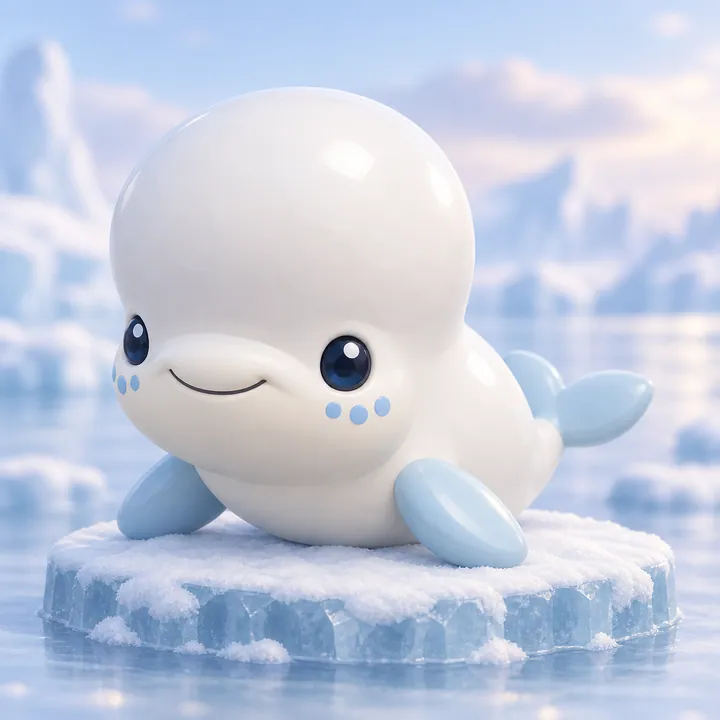
    White Echo

    Sonarphin → Belugon

    Condition: growing up in cold waters within a stable social group.

    The echolocation apparatus grows stronger, the body becomes bulkier and paler, and the system of clicks turns into a rich social “language.” The line’s central theme is the shift from individual navigation to a shared acoustic culture.

  4. E-04

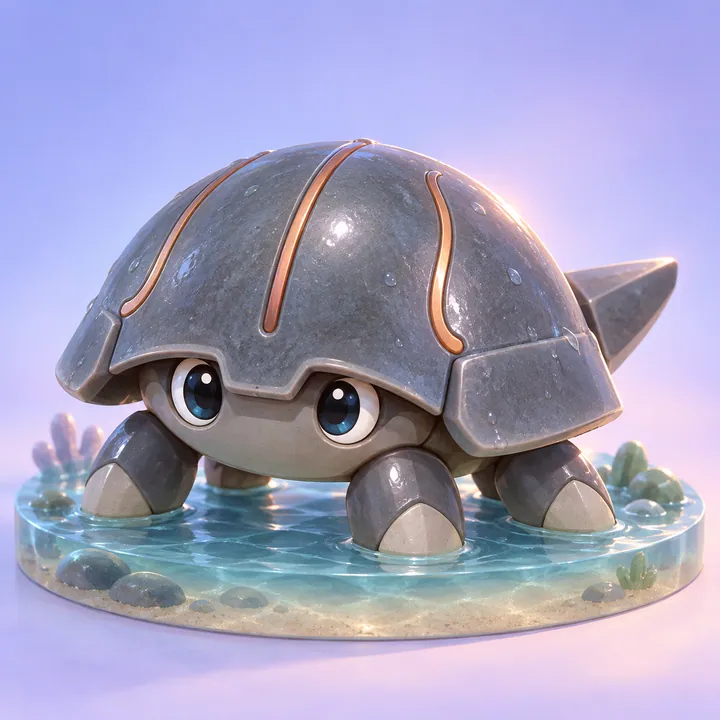
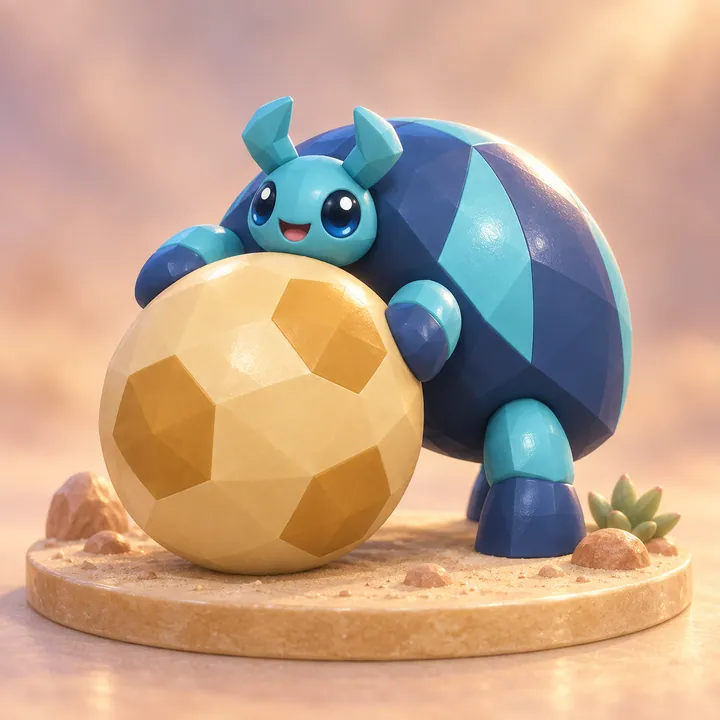
    Ancient Shell

    Trilobix → Carapanzer

    Condition: life in a mineral-rich tidal zone.

    Trilobix’s segmented plates gradually fuse into a broad protective shield. The mineral inclusions grow tougher, and the ancient knack for surviving dry spells is joined by magnetic navigation along the coastline.

  5. E-05

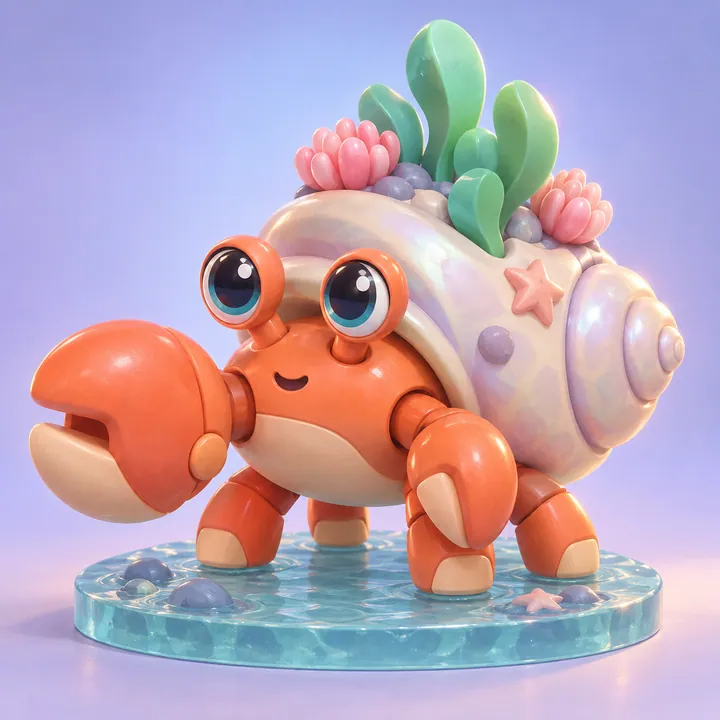
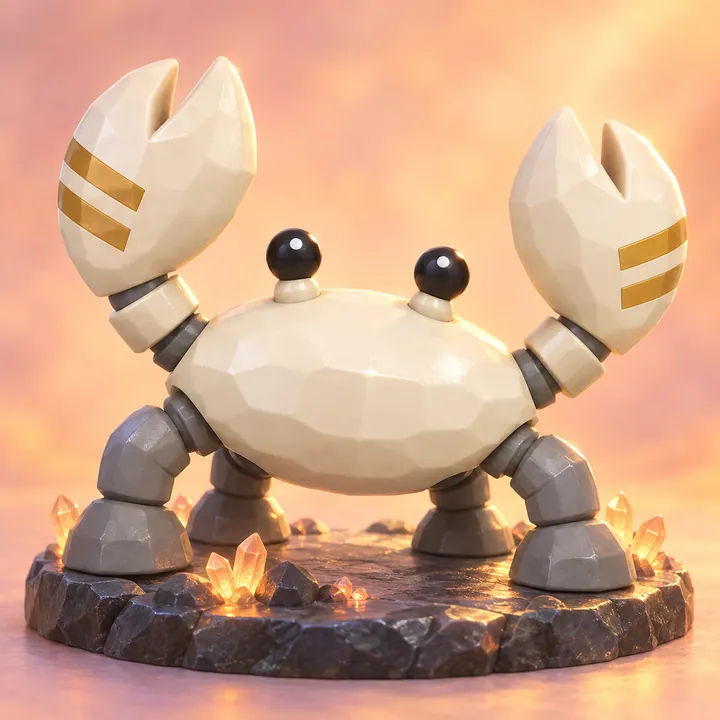
    Living Home

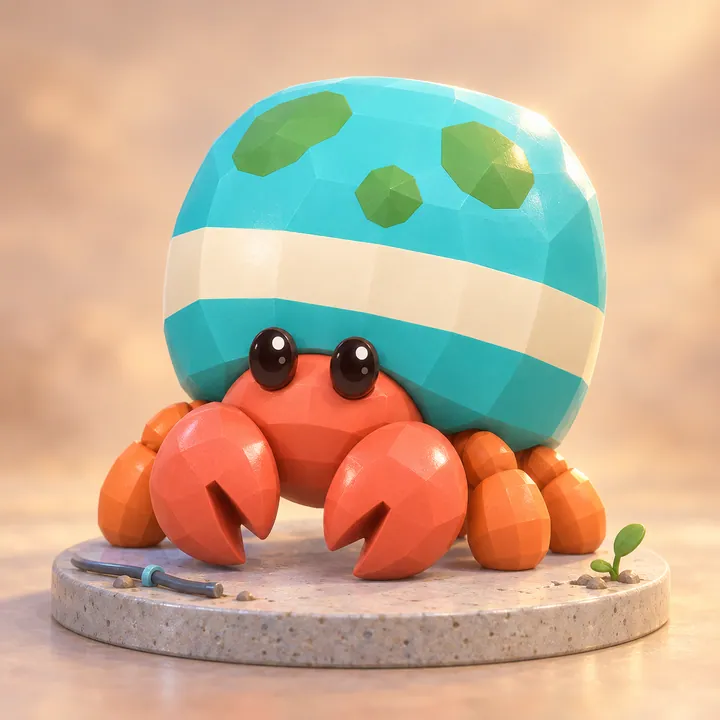
    Hermikelp → Plasticrab

    Condition: growing up on a populated coast where natural shells are scarce but artificial casings abound.

    Plasticrab doesn’t lose the habit of growing a living coat on its home: it simply starts using a found object as the frame. That keeps the form ecologically tied to Hermikelp instead of turning it into a “tech crab” for no reason.

  6. E-06

    Cephalopod Spiral

    Ammonaut → Lumisquid → Metropus

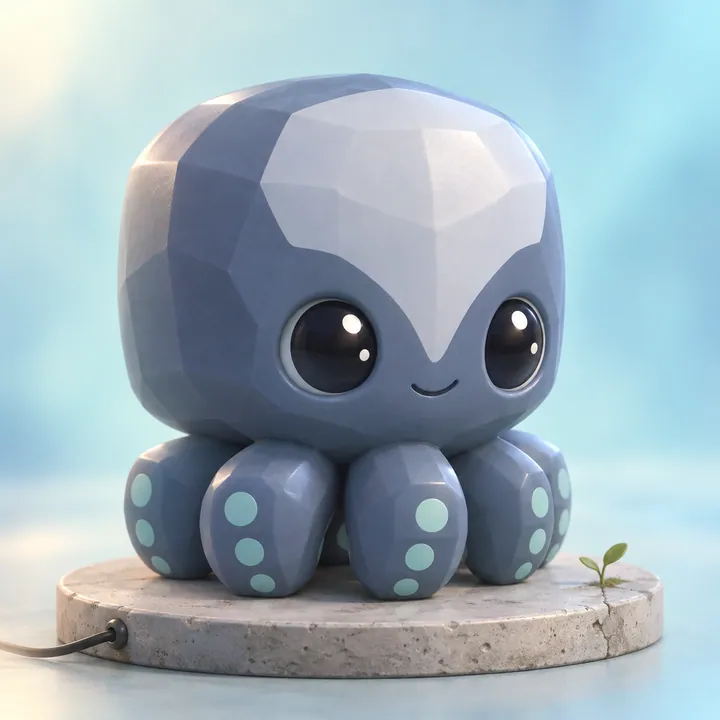
    First evolution: moving from deep karst systems into the open sea, the outer shell gradually shrinks away, buoyancy comes under the control of soft tissues, and communication shifts to patterns of light.

    Second evolution: life in a complex network of artificial canals and flooded tunnels sharpens intelligence, tentacle dexterity and spatial memory. Metropus becomes one of the most trainable Evolumes of its generation.

  7. E-07

    Gliding Canopy

    Cachirrel → Maplewing → Furwing

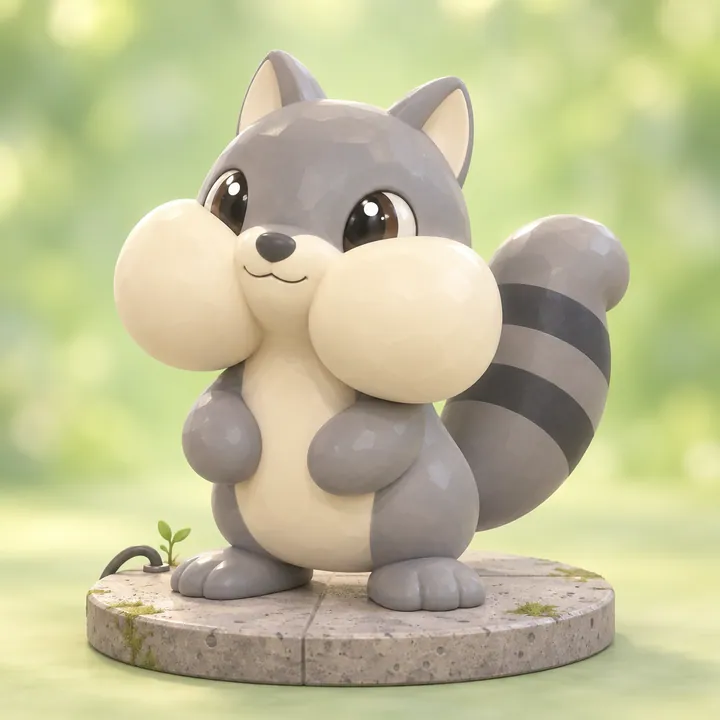
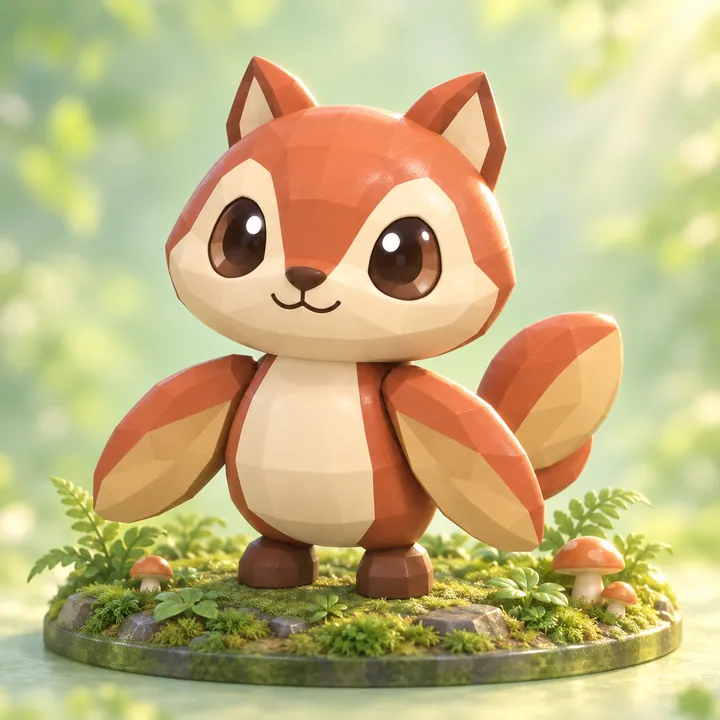
    Condition: a gradual move from park and ground caches to life high in the forest canopy.

    Cachirrel first develops short, controlled glides and Maplewing’s forked tail. In the final form the gliding membrane stretches across almost the entire body, turning Furwing into a specialized long-distance glider.

  8. E-08

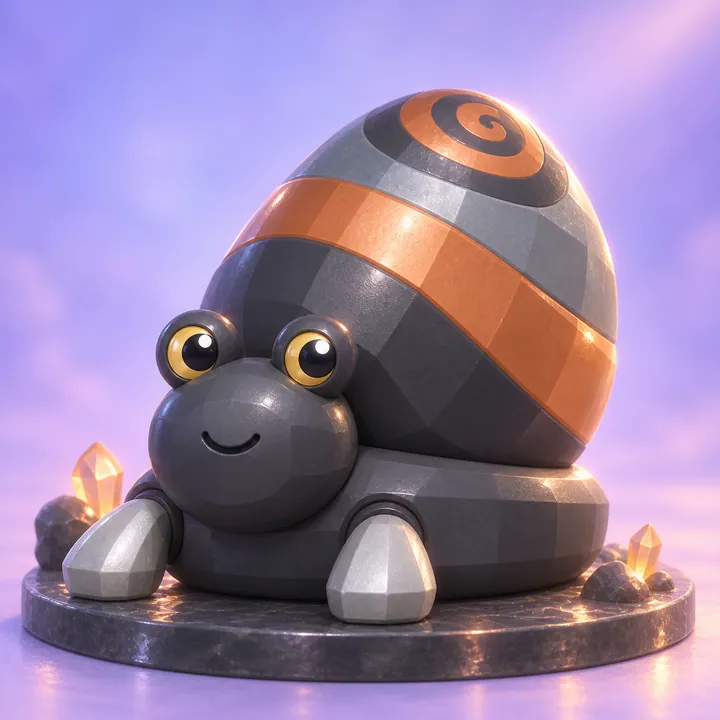
    A Snail of Three Worlds

    Fungislug is the base symbiotic form.

    • Fungislug → Ferroslug — the hydrothermal branch. The fungal partnership gives way to chemosynthetic bacteria, and the shell mineralizes with iron and sulfur.
    • Fungislug → Conduslug — the urban branch. Constant contact with metal salts makes the slime conductive, and the shell pattern takes on a distinctive mesh-like structure.
  9. E-09

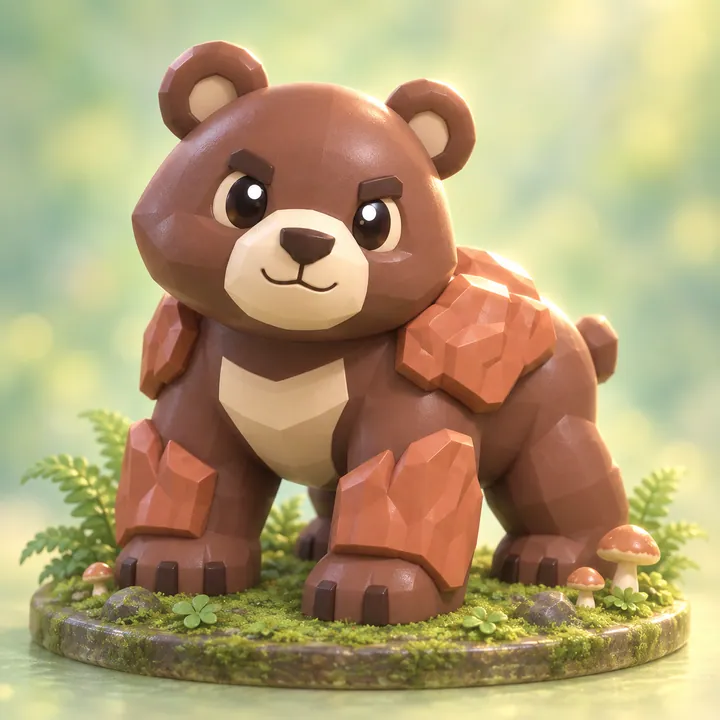
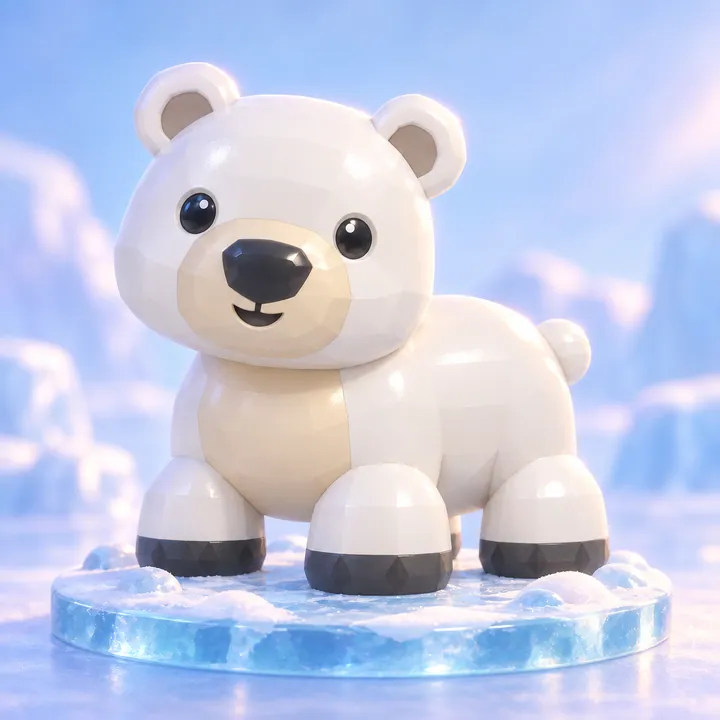
    Polar Bear

    Barkpaw → Frostbruin

    Condition: growing up in a consistently cold region.

    The bark-like protective plates shrink, while the fur grows longer, hollow and insulating. The heavy bear silhouette remains, but the coat’s job shifts from armor to keeping warm.

  10. E-10

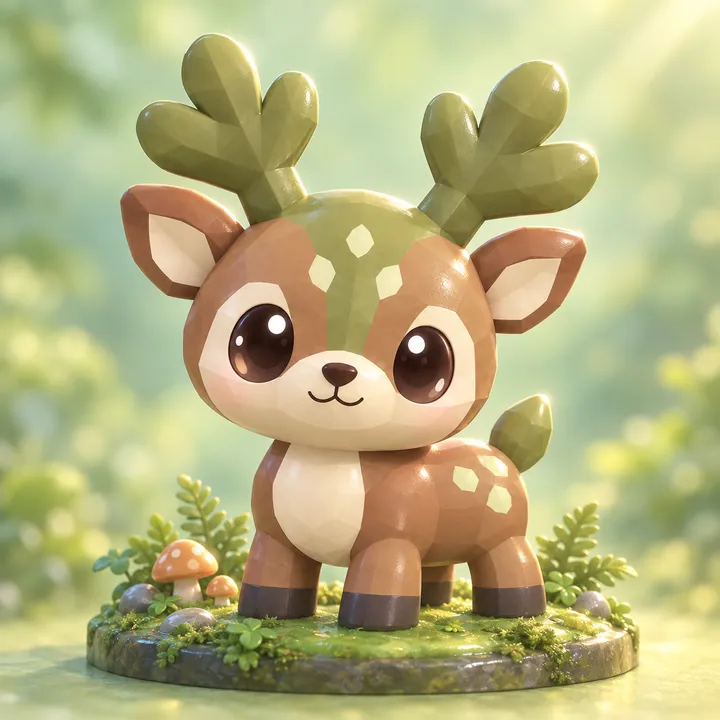
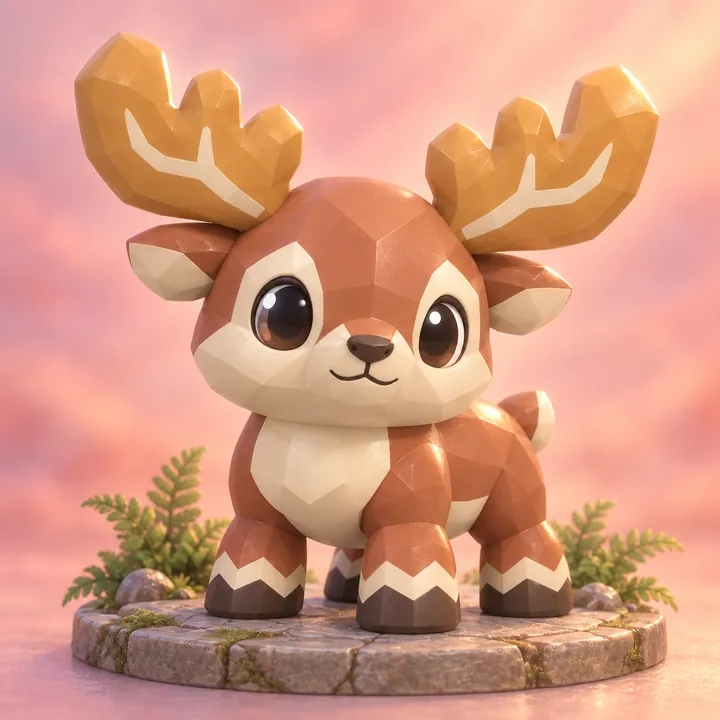
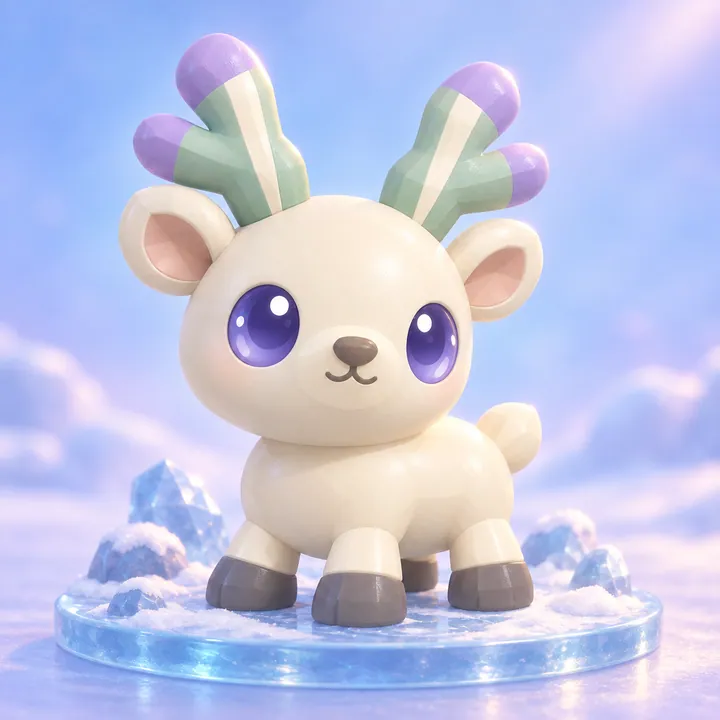
    Antler Branches

    Fernfawn is the base form.

    • Fernfawn → Megantler — the plains branch. In open country the antlers become an enormous visual signal and an organ for sensing the wind.
    • Fernfawn → Aurohorn — the polar branch. Long migrations strengthen magnetoreception, ultraviolet vision and the seasonal signals of the antlers.
  11. E-11

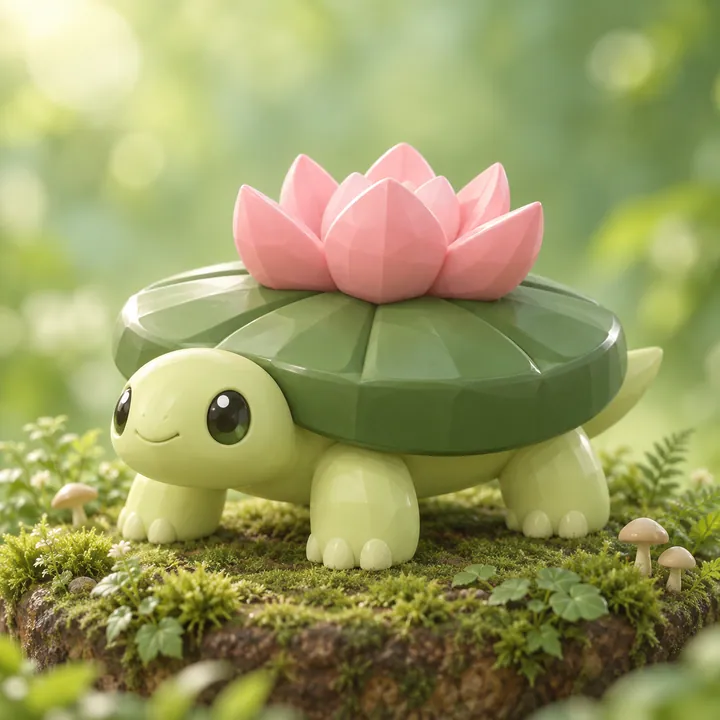
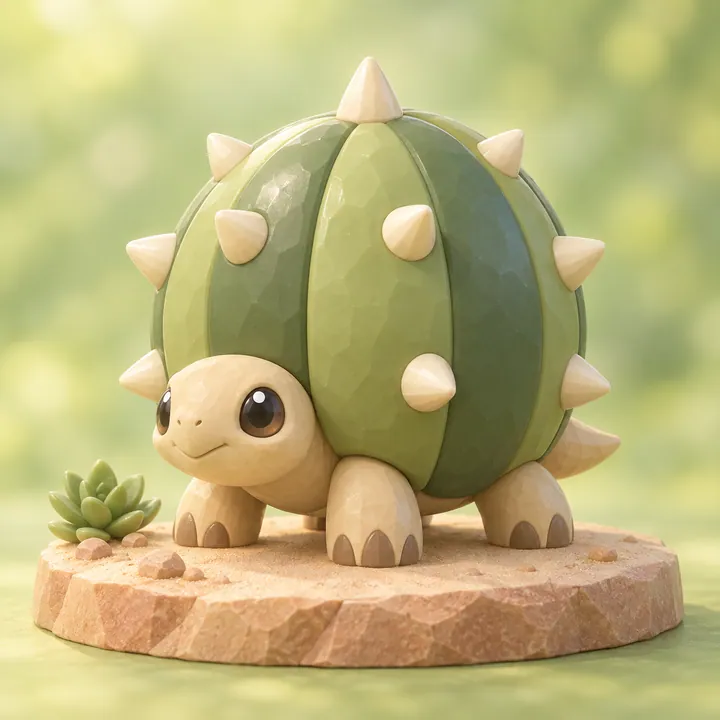
    Shell Reservoir

    Lotushell → Cactushell

    Condition: prolonged drought and the disappearance of a permanent pond.

    The plant partner on the shell changes: instead of a broad-leaved aquatic form, a drought-hardy tissue that can store water takes hold. The flat “leaf” gradually becomes a ribbed reservoir.

  12. E-12

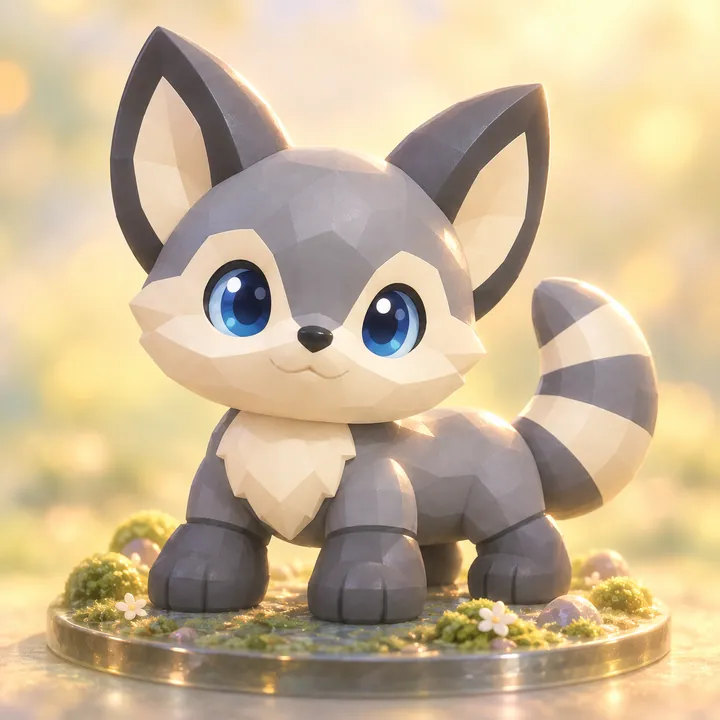
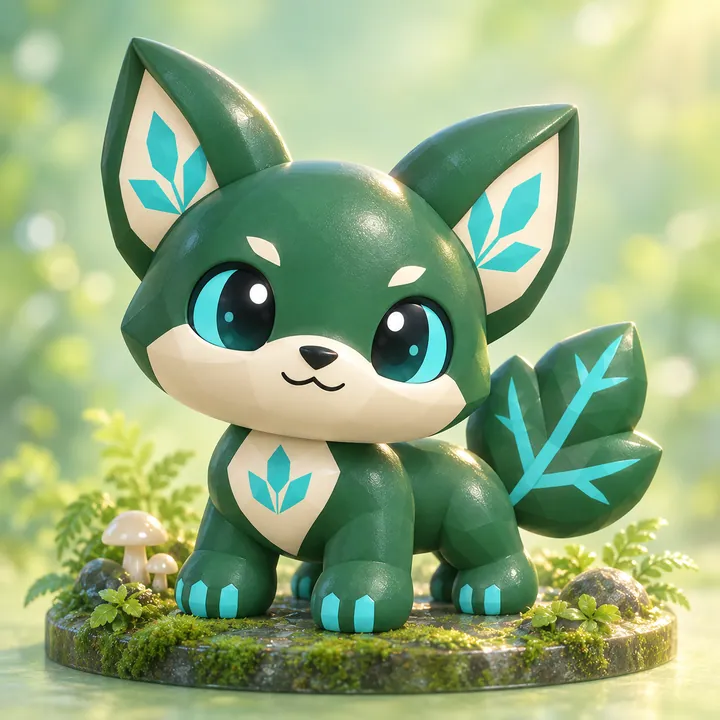
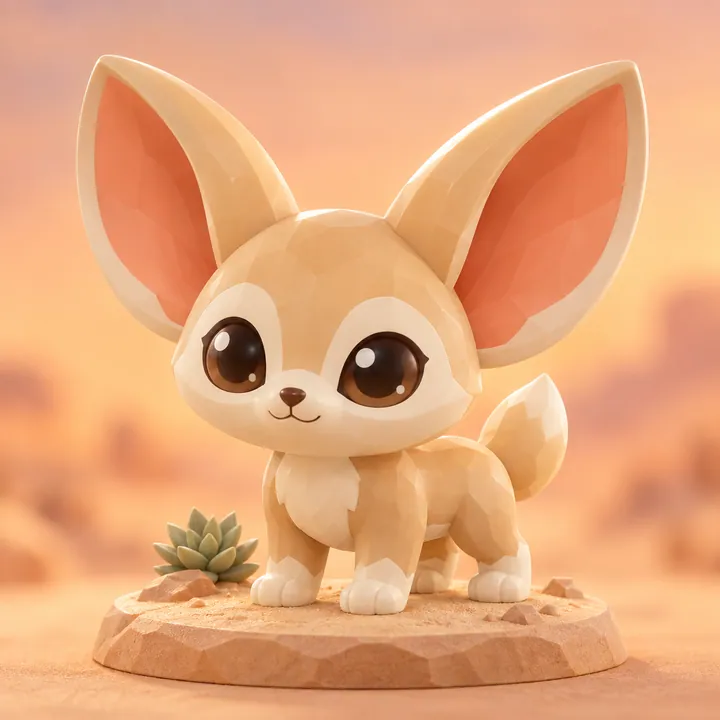
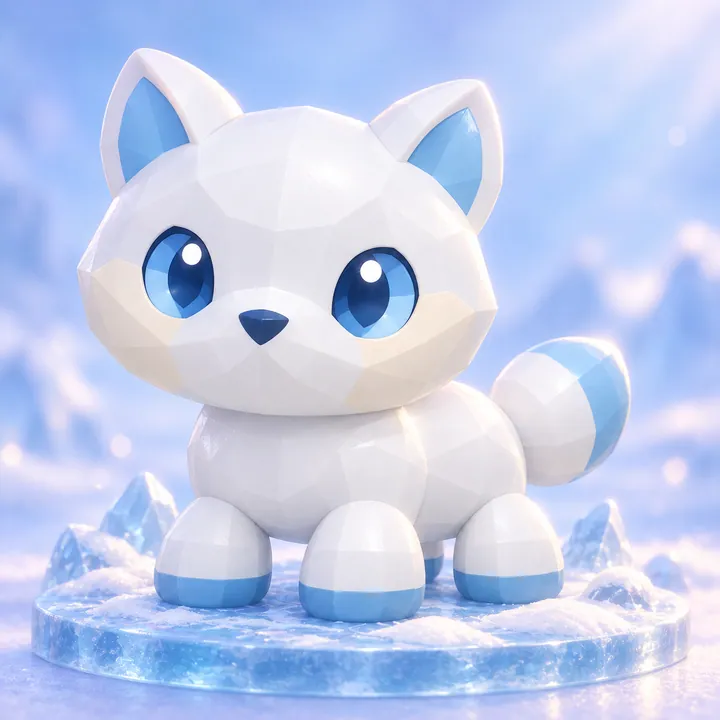
    Fox Adaptive Radiation

    Moonvix is the base nocturnal form.

    • Moonvix → Lichenvix — rainforest; glowing lichens settle into the fur, and the tail takes on a leaf-like silhouette.
    • Moonvix → Sandvix — desert; the body shrinks, while the ears and heat-exchange efficiency grow dramatically.
    • Moonvix → Rimevix — tundra; the fur becomes ultra-dense and changes color with the seasons.

    This is one of the main branching lines of the first generation.

  13. E-13

    Leaf Becomes Wing

    Venurix → Gliderix

    Condition: life high in the canopy and the need to cross the gaps between trunks regularly.

    Venurix’s leaf-like side structures widen, its ribs lengthen, and its protective mimicry gradually gains a second purpose: controlled gliding.

  14. E-14

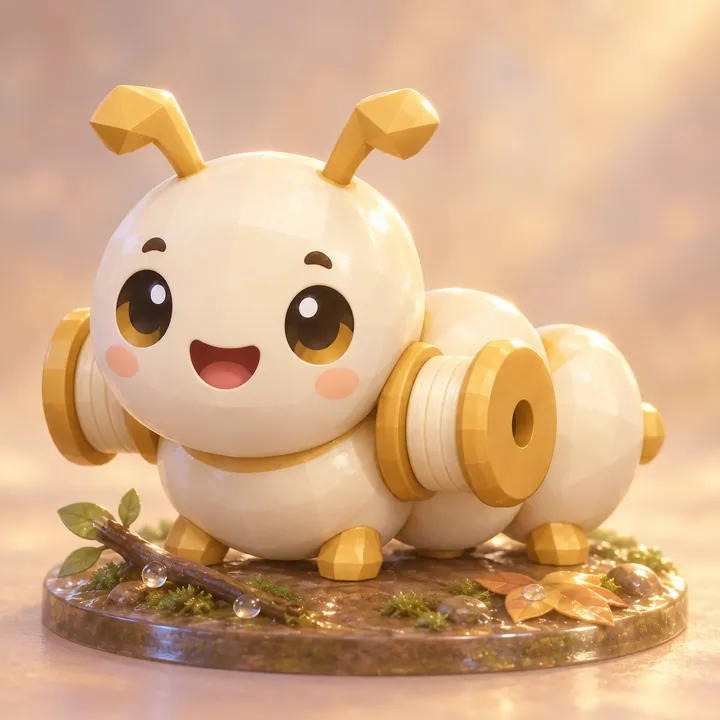
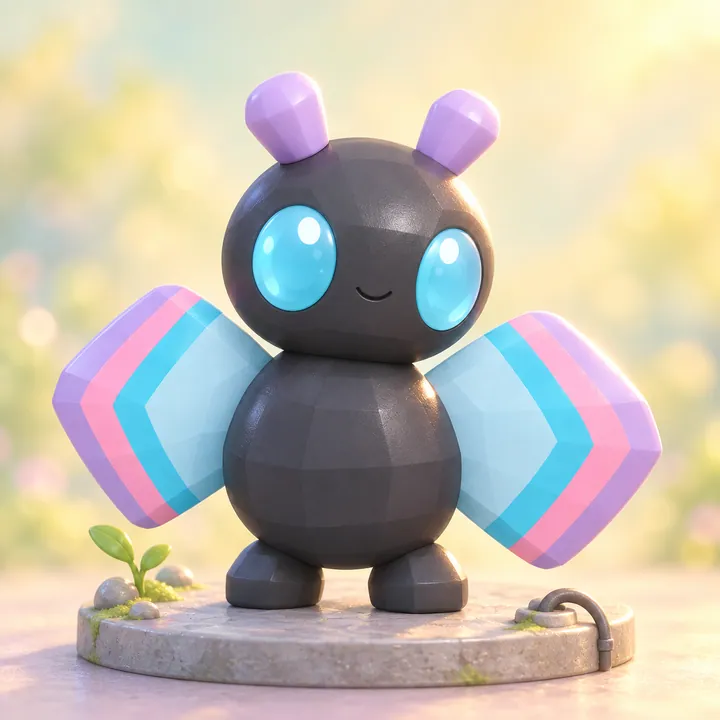
    Urban Metamorphosis

    Silkrysa → Vitrimoth

    Condition: a natural cocoon stage in an environment flooded with artificial light.

    This is the generation’s most classic metamorphosis line: a soft silken larva spins a cocoon and emerges as a winged adult. The spectrum of city light shapes the microstructure of its transparent wings.

  15. E-15

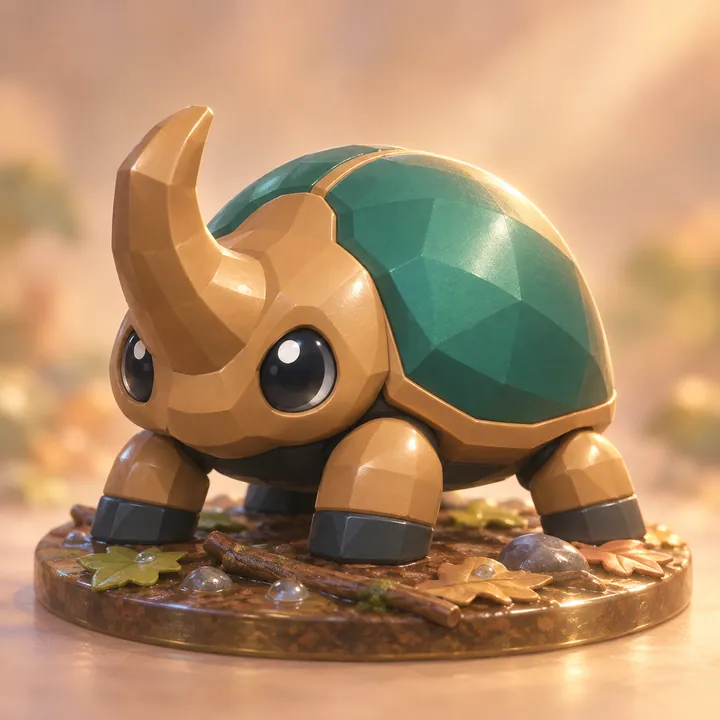
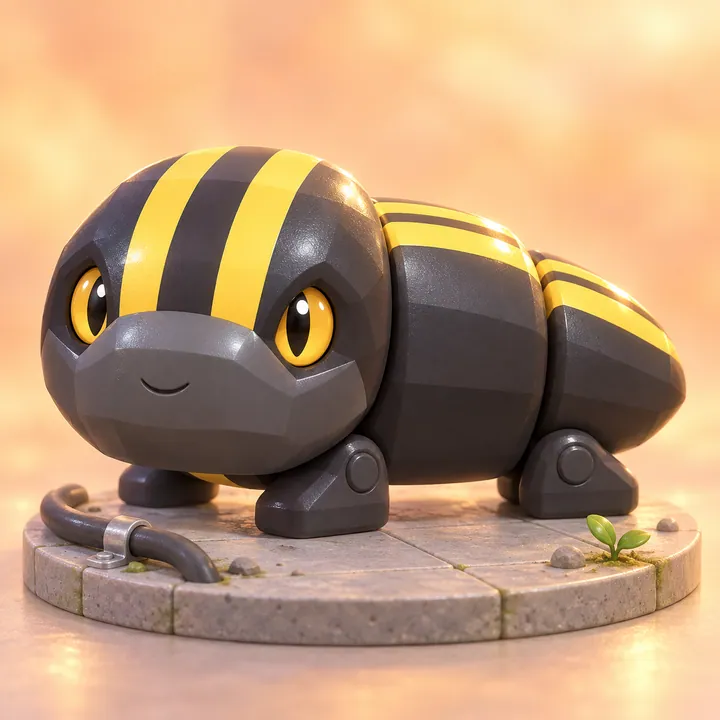
    Mineral Beetle

    Scarabrite → Armorhorn

    Condition: development in soils rich in metals.

    Scarabrite can already gather minerals into external structures. In Armorhorn this ability carries over to its own shell, while the front of the body grows bulkier and sprouts a mighty horn.

  16. E-16

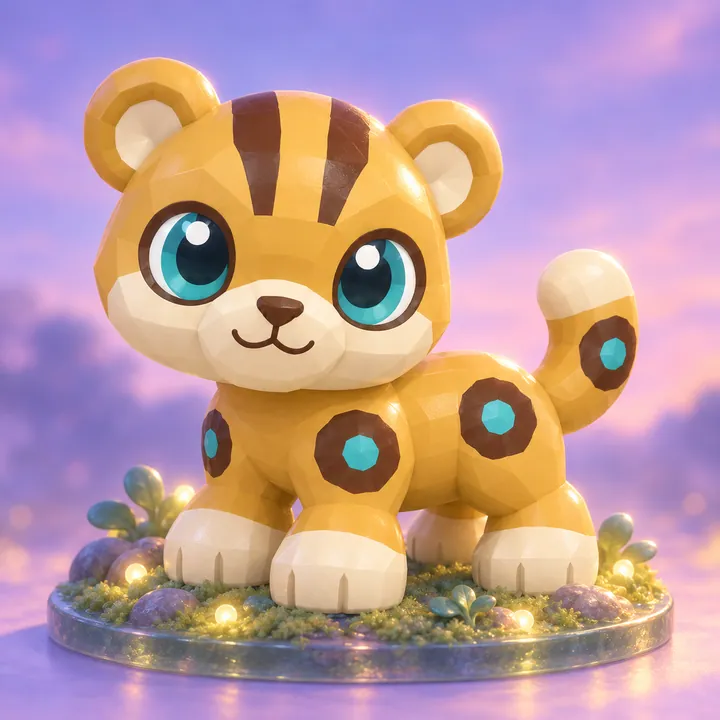
    Feline Line

    Shadekit → Ocelune

    As it grows, the small, secretive form becomes more arboreal and develops an intricate spotted pattern.

    From there, two terminal branches are possible:

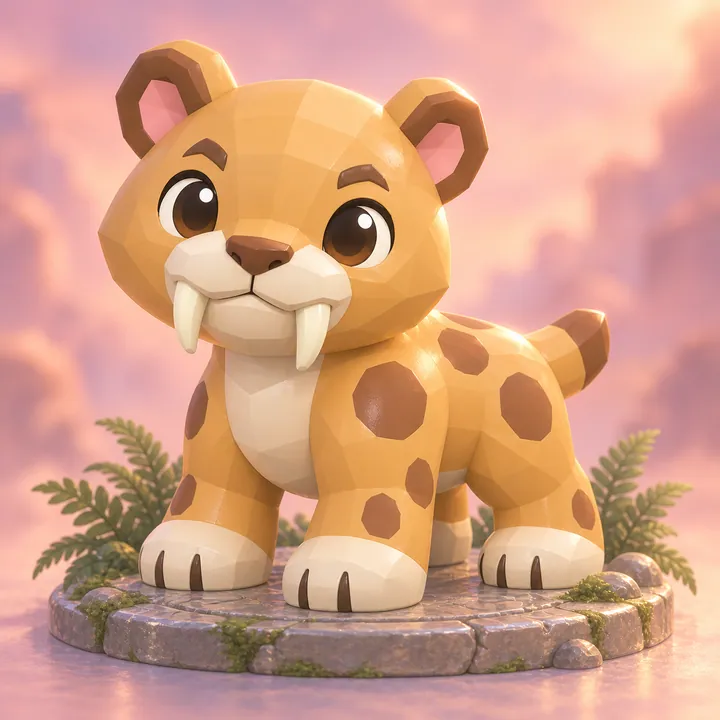
    • Ocelune → Sabrilodon — big prey and open, cold steppes; body mass increases, and it develops a specialized short pounce and saber-like fangs.
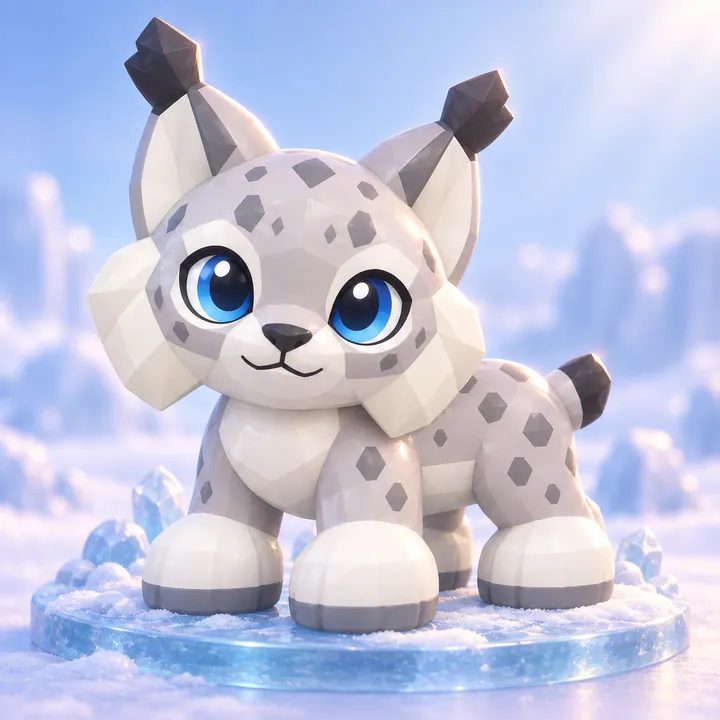
    • Ocelune → Rimelynx — deep, powdery snow; the legs lengthen, and the paws widen into natural snowshoes.
  17. E-17

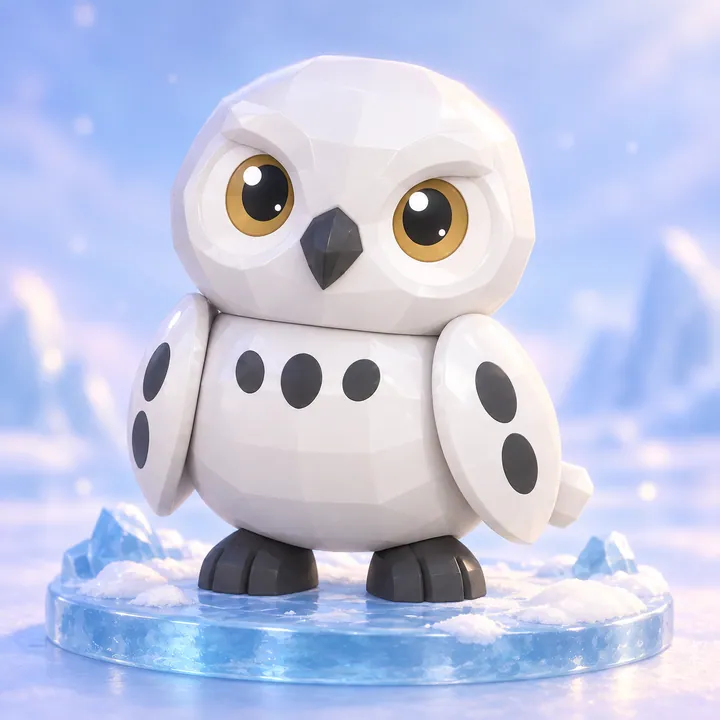
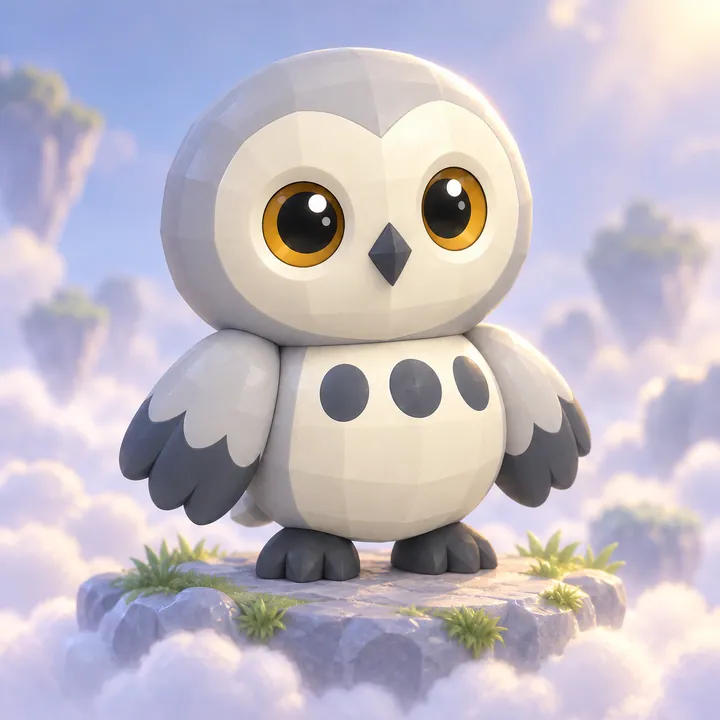
    Polar Silence

    Hushowl → Polarowl

    Condition: life in the tundra and long seasons of snow cover.

    The silent feather structure remains, but the coloring pales and the eyes gain a wider working range, from the dazzling glare of snow to polar twilight.

  18. E-18

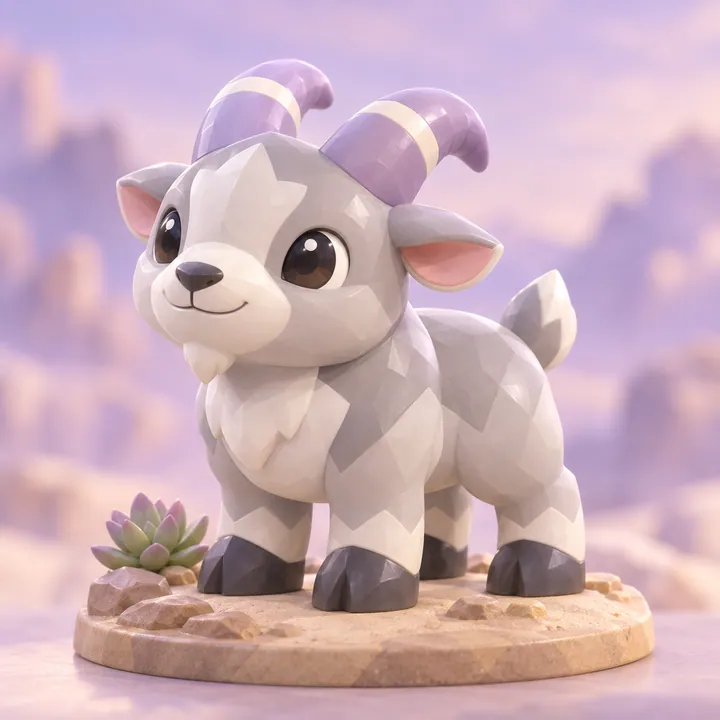
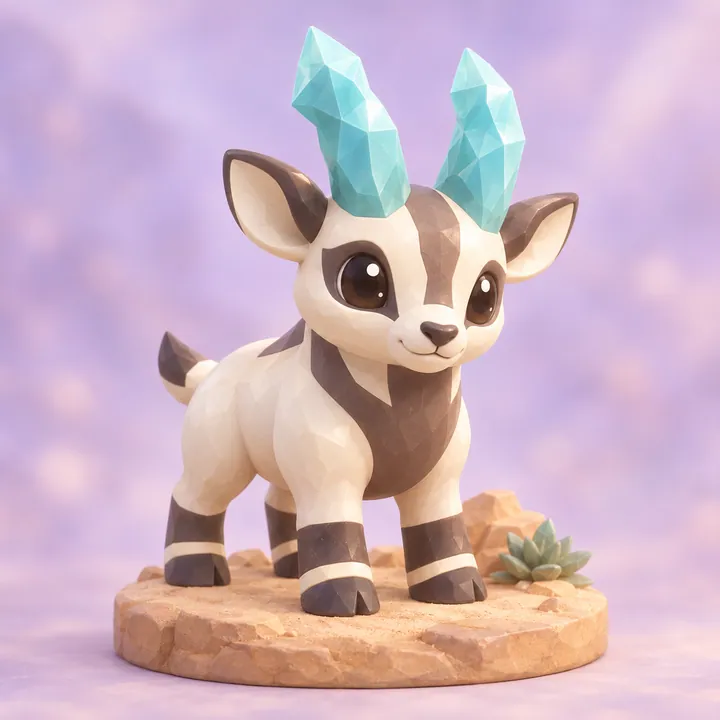
    Mineral Horns

    Salthorn → Crysthorn

    Condition: migrations across desert plateaus rich in quartz and other minerals.

    The salt deposits in the horns are replaced by harder crystalline structures. The body becomes lighter and better suited to long treks across open, scorching terrain.

  19. E-19

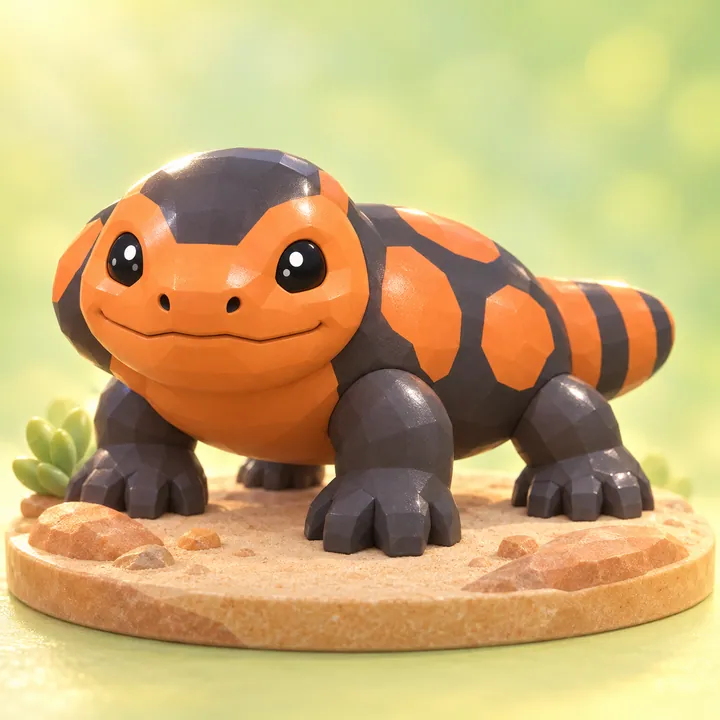
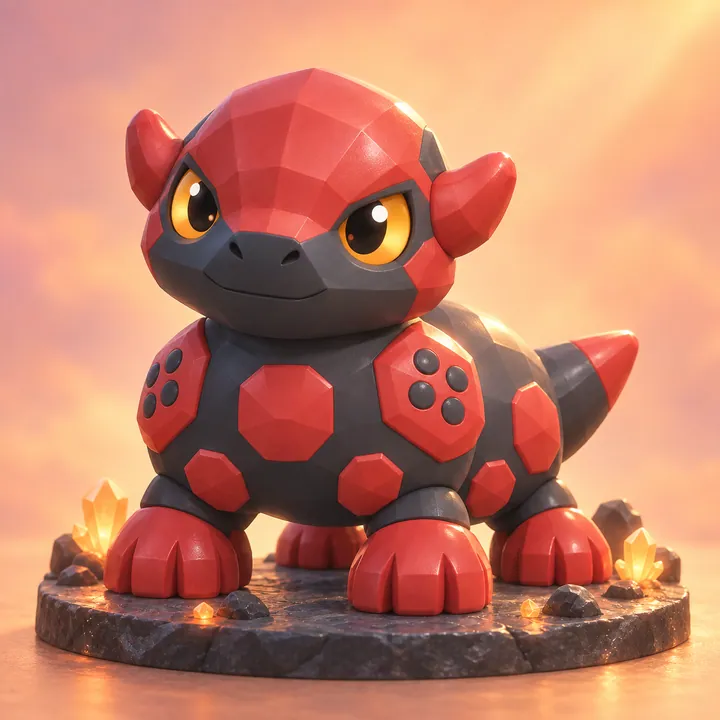
    From Venom to Obsidian

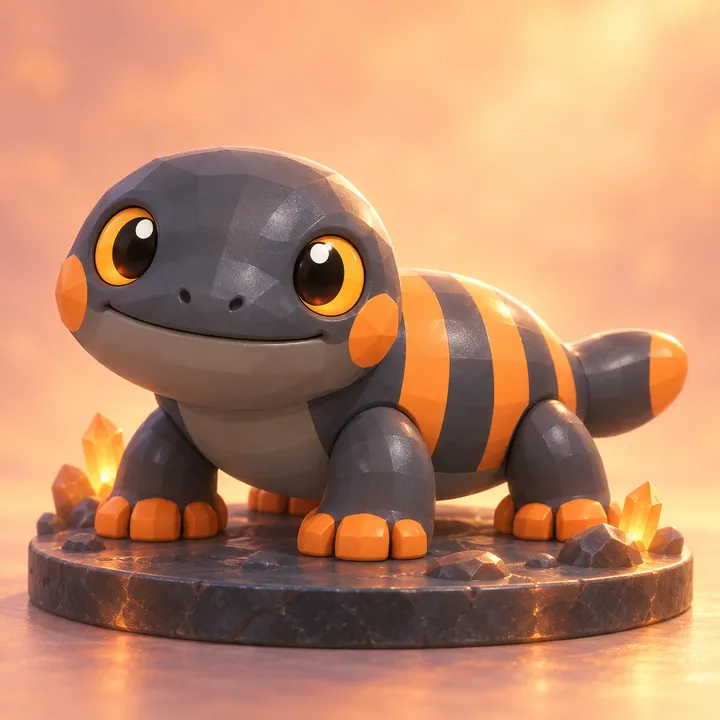
    Gilatox → Lavizard → Obsivaran

    First evolution: constant contact with hot rock shifts its defenses from chemical to thermal; the skin becomes porous and heat-resistant.
    Second evolution: on old lava fields the outer plates turn smooth, dark and glassy. Obsivaran is a heavy terminal form built to move among sharp volcanic rocks.

  20. E-20

    Neon Gecko

    Geckglint → Neongeck

    Condition: a long life near glass, plastic and artificial light.
    The reflective micro-scales shift from shielding against the sun’s heat to controllable color camouflage. The body shape stays almost the same, so the link between the forms is easy to see.
  21. E-21

    Bird of the Cave Dusk

    Duskjar → Sulfurwing

    Condition: nesting permanently deep inside volcanic caves.

    Cryptic vision is no longer its main advantage. The species develops click-based echolocation, tolerance to sulfurous air and shorter wings for maneuvering close to the walls.

  22. E-22

    Hydrothermal Claws

    Blindclaw → Yeticlaw

    Condition: colonizing a hydrothermal vent zone.

    The long sensory limbs grow shorter and stronger, and dense bristles appear on the claws, where chemosynthetic bacteria are cultivated. Searching for scarce food gives way to its own “farming.”

  23. E-23

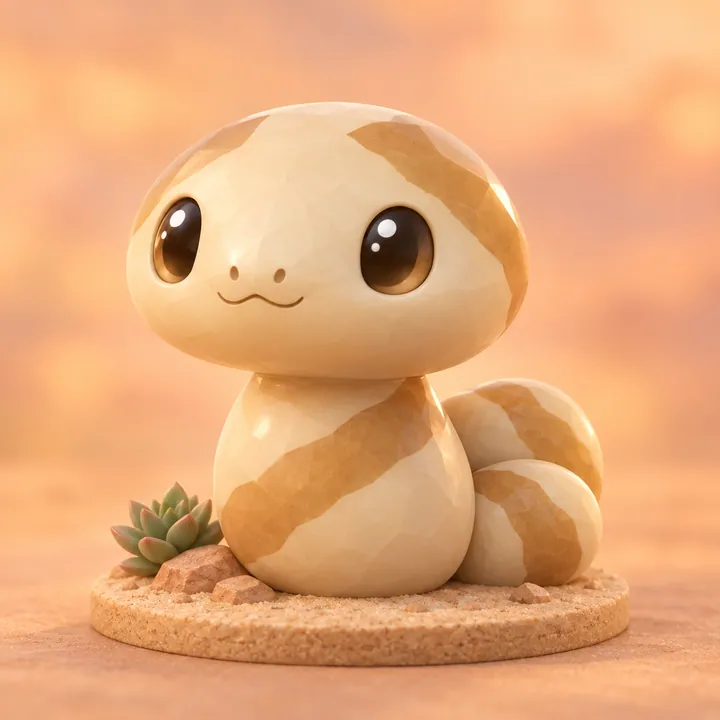
    From Sand to Pipes

    Duneboa → Cableboa

    Condition: moving into warm tunnels, pipes and utility cavities.

    The ability to move through dense material remains, but the skin loses its sandy ripples and gains lengthwise markings. Heat sensitivity sharpens for hunting through the thin walls of utility lines.

  24. E-24

    Urban Field

    Ferromouse → Voltrat

    Condition: life near powerful electrical grids.

    Ferromouse’s magnetic navigation broadens into a more versatile electrical sensitivity. The body grows larger, the whiskers and individual hairs start working as field-detecting organs, and its behavior becomes more exploratory.

  25. E-25

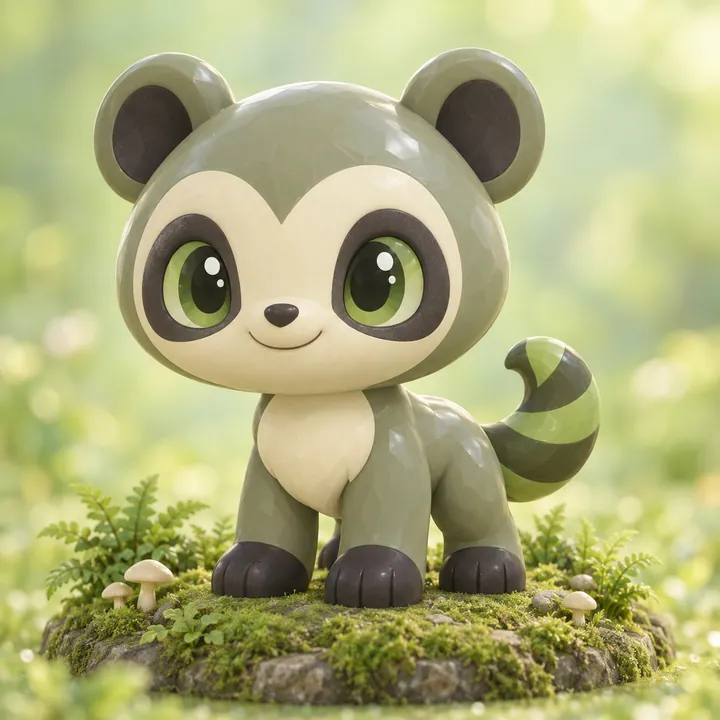
    Arboreal Primate

    Tarsix → Galagor → Vinemur

    First evolution: leaping hunts strengthen the hind limbs and hearing, and the tail becomes an active counterbalance.

    Second evolution: a permanent life in the dense canopy makes a grasping tail more valuable than a long leap. Plant partners settle on the skin, letting Vinemur use vines almost as an extension of its body.

  26. E-26

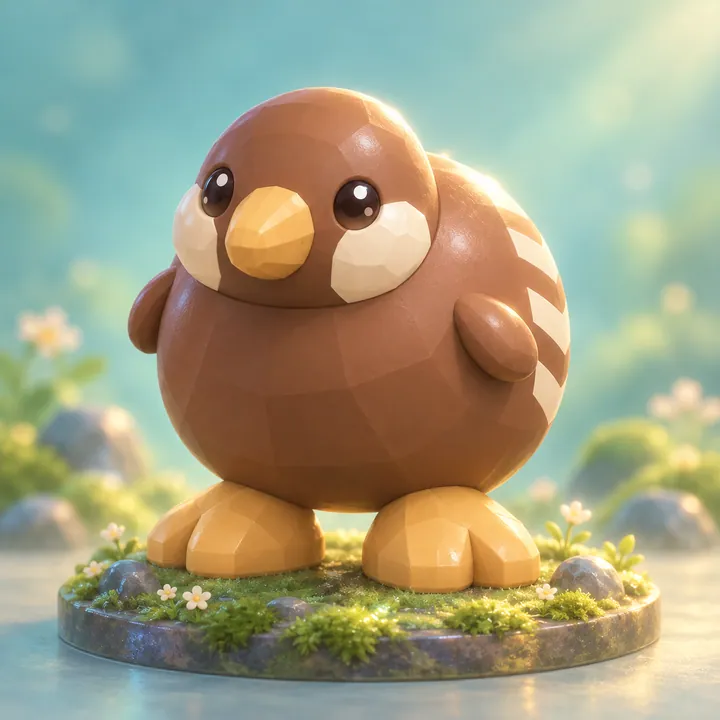
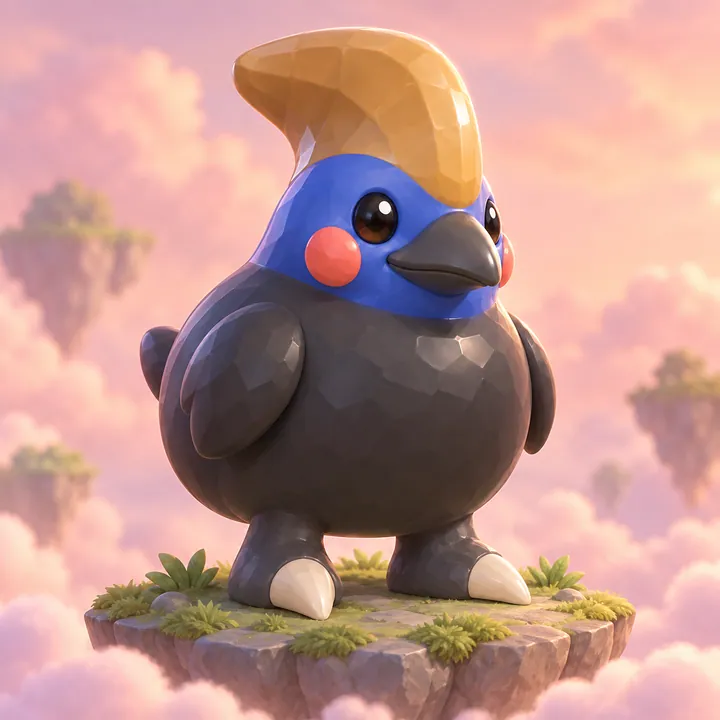
    Flightless Forest Runner

    Kiwhir → Cassowarrior

    Condition: growing up in a lush tropical forest with large fruits and few ground predators.

    The small, sensory-driven bird grows in size, its legs become its main weapon and means of travel, and a protective crest forms on its head for pushing through the undergrowth.

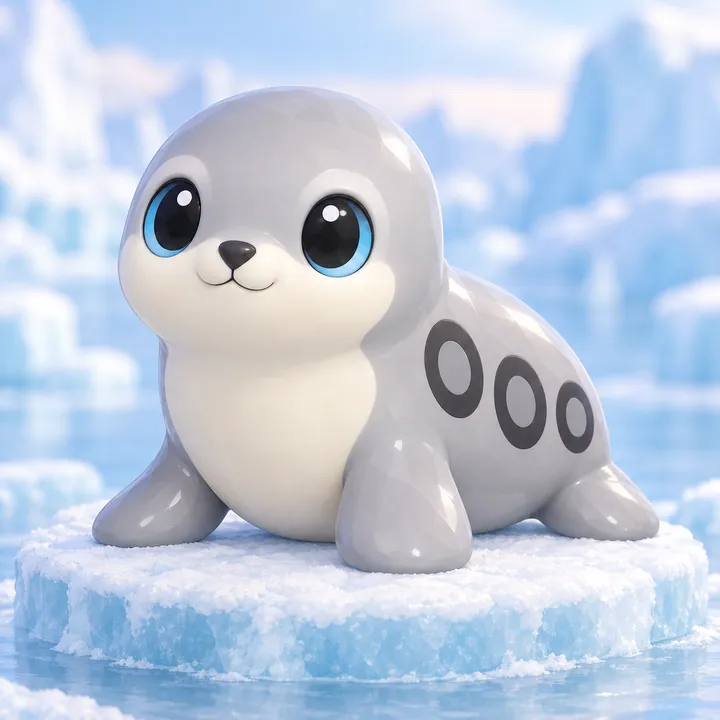
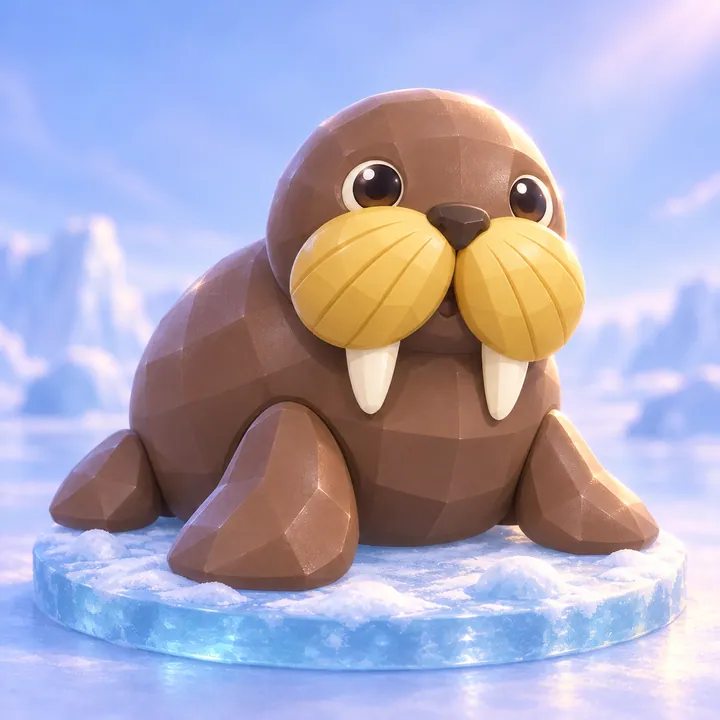
  27. E-27

    Icy Shore

    Floeflip → Walrumble

    Condition: a long life on shallow shellfish beds and regular haul-outs onto heavy sea ice.

    The body grows bulkier, the whiskers become far more sensitive, and the front teeth gradually develop into tusks that help it climb onto the ice and dig through the seabed.